
The Inner West Council will vote in early March 2024 on the rezoning – we need you to let Councillors know the community is against this plan.
Go to our Take Action page to learn more about how you can help.
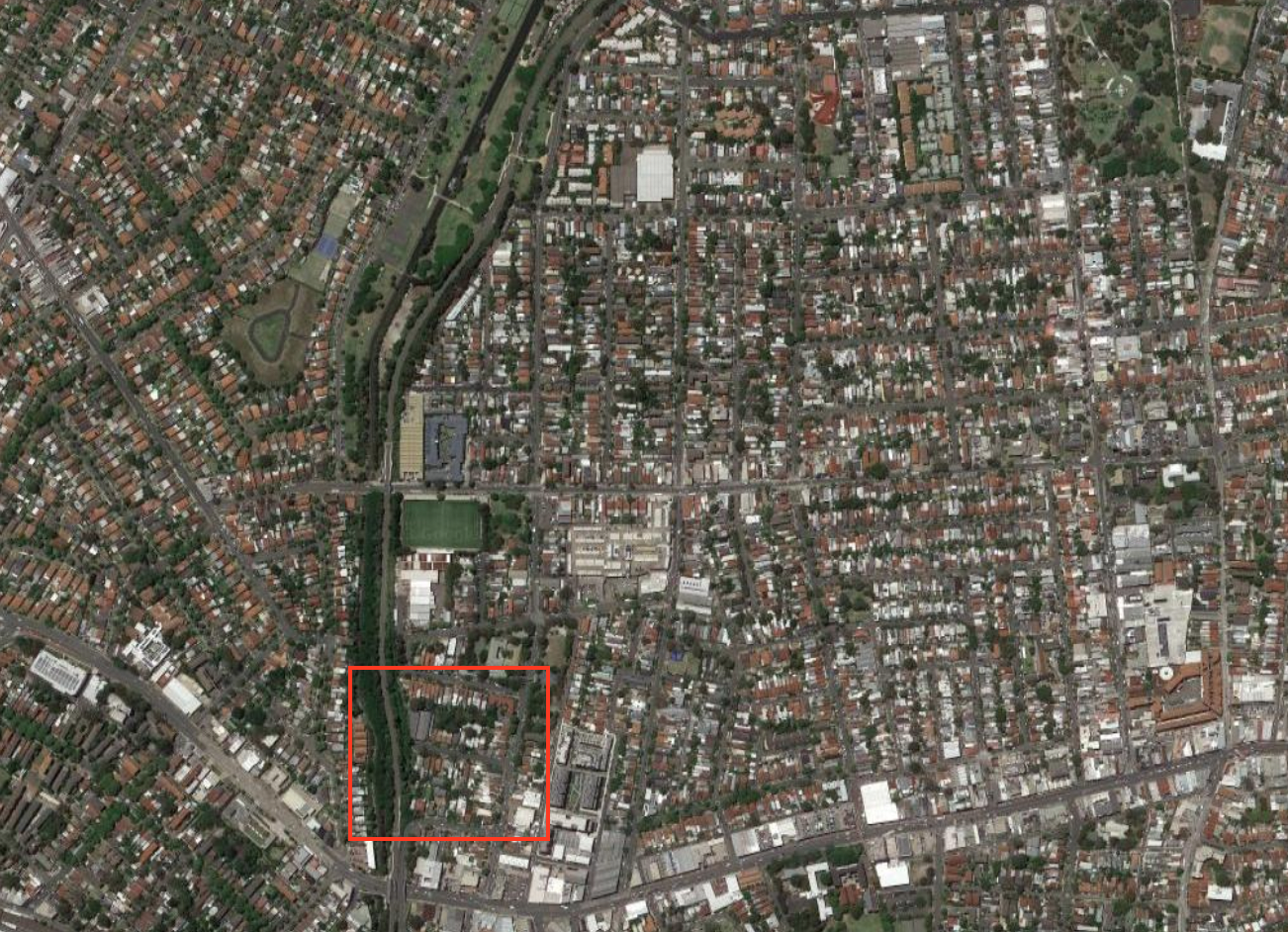
The area proposed to be rezoned are the most critical trellis streets supporting the densest part of the GreenWay in Leichhardt. This area also contains the most extensive amount of connected large, mature tree canopy found in backyards in the whole of Leichhardt and for much of the Inner West.
This area of the GreenWay and the connected tree canopy in these trellis streets form the Lungs of Leichhardt – these trees clean our air of carbon dioxide and other pollutants, as well as helping to fight against the urban heat island effect.
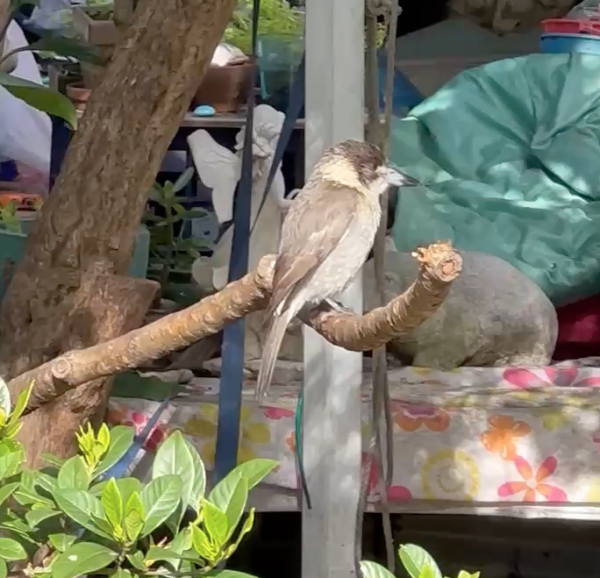
This area is the critical habitat of small birds and other native wildlife that aren’t easily found elsewhere in Leichhardt.
If this habitat is replaced by apartments (which is the aim of the rezoning proposal), you will hear far less birdsong walking along the GreenWay.
This Google Satellite image below illustrates how much more dense the tree canopy is in this area compared the rest of Leichhardt.
Rich Biodiversity of Native Fauna – Including Threatened Animals
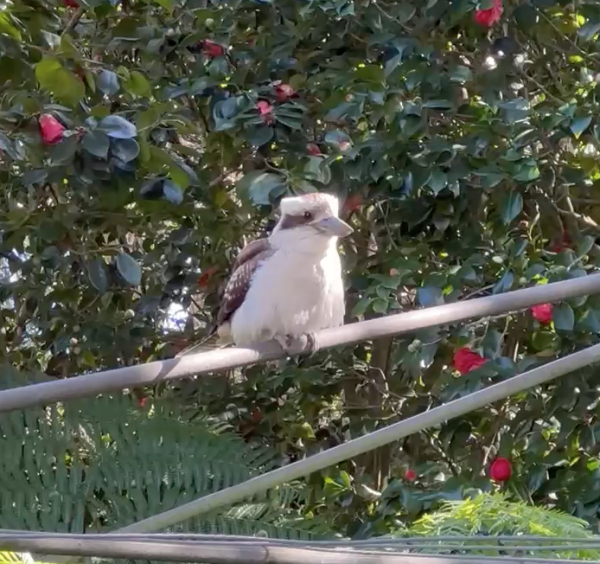
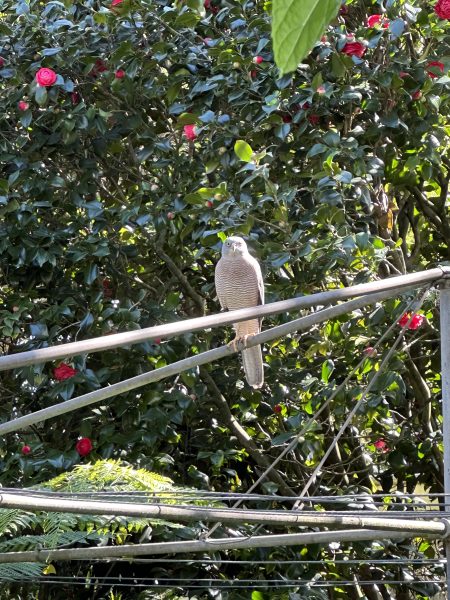
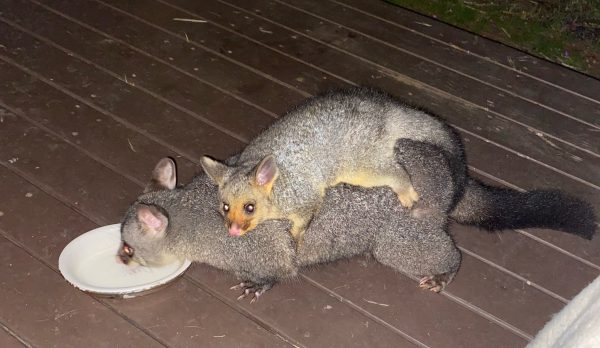
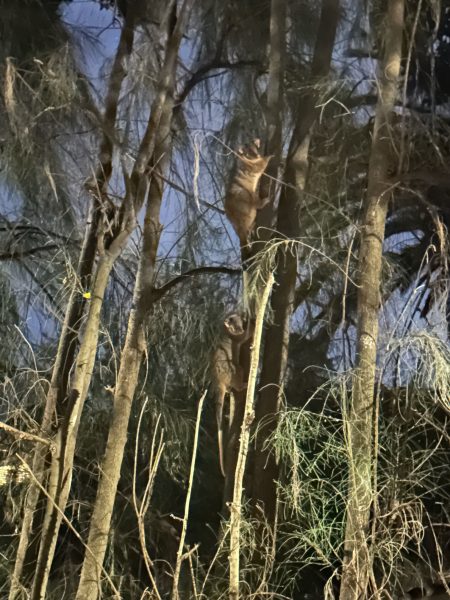
This specific area is known to provide habitat to several threatened animals including microbats which use the tree canopy for their summer migration and the Powerful Owl. There have also been occasional sightings of the Long-nosed Bandicoot, which are documented to make homes under old Federation houses. It is also home to ring-tailed possums, blue tongues, water monitors and other small native mammals and lizards.
See below for a full list of the native birds that populate our section of the GreenWay that our tree canopy and backyards help support.
Critical Role of Our Tree Canopy for Wildlife
The backyards of homes in Hathern, Beeson, Kegworth and Tebbutt Streets (which will be rezoned) play a critical role in supporting this important part of the GreenWay corridor.
They are “GreenWay Trellis Streets” which mean they provide much needed connected tree canopy along the GreenWay.
Unlike much of the rest of Leichhardt, these backyards contain dense, large trees, including 100 year old gum trees), mid and lower storey vegetation which provide continuous shelter and opportunities for feeding – especially for small birds.
The GreenWay is also a critical connectivity for birds on their way to Hunters Hill and Wolli Creek and for those also migrating along the eastern seaboard, these trellis streets support their journey.
Native Animal Homes Under the Tree Canopy
It’s not just the tree canopy itself that provides precious habitat for native fauna, but it also the nature of the backyards with sheds, underneath of Federation heritage houses and eaves where smaller native animals can make their home.
This precious habitat will all be lost if it’s replaced with higher density apartments.

This Precious Tree Canopy and Under Houses Habitat WILL BE REMOVED With Rezoning
If we remove the tree canopy in these critical GreenWay trellis streets, then we significantly remove the habitat that supports this wildlife, including those that are endangered, including rest and foraging areas for migratory birds, including the homes of small birds.
Yet the Department of Planning has ruled that there can be no protection of tree canopy. The Gateway determination letter from DPE to Council instructs the planners to:
‘… (n) remove the proposed overall precinct/zone based tree canopy targets (including streets)’
Rezoning will also allow the removal of the precious under house habitat for our native mammals that live around this significant part of the Greenway.
If the Rezoning goes ahead, then there will be NO protection of the tree canopy and under house habitat, nor will there be a requirement to replace it – developers will be able to replace this precious habitat with concrete and apartments.
Apartments Cause Further Issues That Harm Native Wildlife
It’s not just the loss of tree canopy and backyards that harm native fauna, there are other issues that apartments cause, including shadowing of remaining trees and habitat, and creating light and noise pollution at night so birds can’t sleep properly.
The areas selected for rezoning go all the way to the Greenway, which means not only will the Rezoning remove the supporting tree canopy and under house habitat in the GreenWay trellis streets, but it will also directly harm the native birds and mammals that live in the main GreenWay trees.
Climate Change and Air Quality
The backyards in the proposed rezoning area contain some of the largest, most mature trees in Leichhardt.
Rezoning this area and the resultant removal of these trees will reduce our suburb’s ability to clean the air, reduce our ability to deal with climate change and further worsen the urban heat effect.
To make matters worse, this rezoning proposal will add large numbers of extra cars to the key arterial route made up of Tebbutt St, Brown St, Cook St, and Old Canterbury Rd – increasing the frequency and duration of long traffic jams. This will significantly increase pollution produced, while significantly reducing the amount of trees that help to clean up this pollution.
The result will be more carbon dioxide, more pollution and increased urban heat.
No Assessment or Consultation on Biodiversity Impact + Harm
Incredibly, despite local environmental experts recognising the importance of the habitat and biodiversity that will be threatened with rezoning – there was no environmental impact study undertaken.
The Inner West Council (IWC) concluded that “The proposed changes are unlikely to result in any adverse effects on critical habitat for threatened species and ecological communities.”
However, they did NOT consult with experts or residents with local knowledge of native flora and fauna in these areas, nor did they conduct a biodiversity study of the area or ecological impact study of the proposed rezoning.
Before any decision on rezoning is made, there needs to be a comprehensive ecological impact study conducted to ensure that there is full understanding and awareness of the effects of rezoning on biodiversity, threatened species and ecological communities.
Rezoning Conflicts with Inner West Council Policies + Residents’ Preferences and the Blue-Green Grid Strategy
The Inner West Council’s Blue-Green Grid Strategy and supporting Community Engagement has made it a priority to protect, enhance and increase the Ecological Grid in the Inner West, especially around the GreenWay. The GreenWay being the main artery of the IWC Blue-Green Grid.
The Draft Blue-Green Grid Strategy states that key aims include:
“Protect, enhance and increase wildlife corridors and areas of habitat for native flora and fauna” (p49)
“Expanding the urban tree canopy and vegetation and integrating water into the landscape to reduce urban heat, improve air quality and provide natural habitat for native fauna” (p47)
“Mitigate urban heat and sequester carbon through water retention and increased tree canopy cover” (p49)
“Protect and enhance natural environment for future generations” (p77)
“Provide habitats for different native species” (p77)
Yet the proposed rezoning will allow the removal of the biggest and most concentrated grouping of large mature backyard trees in Leichhardt – it will allow this urban forest that critically supports GreenWay biodiversity to be chopped down and replaced with concrete and apartments.
There are Alternative Sites that Don’t Require Destroying The Urban Forest and Existing Homes
There are other more appropriate sites nearby to redevelop into apartments – including empty, state owned blocks of land and disused industrial land – that won’t require knocking down people’s existing family homes or destroying precious habitat for Australian native animals.
We recognise the need for more housing but it should not have to come at the cost of losing our urban forests and the biodiversity supported by them. We need better planning – and genuine consultation with local environmental experts and residents – to choose sites that don’t harm our already fragile and threatened urban wildlife.
Critical Habitat Will Be Lost Forever to Future Generations
Once this rezoning happens, there will be little to protect this critical habitat for our precious native wildlife. It will be replaced with concrete and apartments.
This not only harms the wildlife that currently live there, but because the area is an important part of the support of the GreenWay canopy and the resting points for migratory birds and microbats, it will affect the long term future of these species as well.
Rezoning may provide some short term gains for developers and governments wanting to meet housing targets but it will be at the cost of the ecological richness, green spaces and clean air for our future generations.
Read the Lungs Of Leichhardt Submission to Council
For more information on Biodiversity and other issues, see the Lungs of Leichhardt community group’s full submission to the Inner West Council.
List of Native Wildlife Affected by Rezoning Proposal
Source: Jo Blackman, Inner West Environment Group
Threatened species that have been recorded in the GreenWay include:
- Powerful Owl (Ninox strenua)
- Superb Fruit-Dove (Ptilinopus superbus)
- Pied Oystercatcher (Haematopus longirostris)
- Grey-headed Flying Fox (Pteropus poliocephalus)
- Eastern Bent-wing bat (Miniopterus schreibersii oceanensis), and
- Long-nosed Bandicoot (Perameles nasuta)
Native Birds in Our Corridor
- Australasian Darter
- Australasian Figbird
- Australian Bush Turkey
- Australian Golden Whistler
- Australian King Parrot
- Australian Magpie
- Australian Pelican
- Australian Pied Cormorant
- Australian Raven
- Australian White Ibis
- Bar-shouldered Dove
- Black-face Cockoo-shrike
- Back Bird
- Brown Gerygone
- Brown Goshawk
- Brown Honeyeater
- Buff-banded Rail
- Channel-billed Cuckoo
- Chesternut Teal
- Cockatiel
- Collared Sparrowhawl
- Common Blackbird
- Common Koel
- Common Myna
- Common Starling
- Crested Pigeon
- Crimson Rosella
- Eastern Cattle Egret
- Eastern Great Egret
- Eastern Osprey
- Eastern Rozella
- Eastern Spinebill
- Fan-Tailed Cuckoo
- Galah
- Golden Whistler
- Great Cormorant
- Grey Egret
- Greater Crested Tern
- Grey Butcherbird
- Grey Fantail
- Grey Goshawk
- Horsfield’s Bronze Cuckoo
- Intermediate Egret
- Laughing Kookaburra
- Leaden Flycatcher
- Little Black Cormorant
- Little Corella
- Little Lorrikette
- Little Pied Cormorant
- Little Wattlebird
- Long-billed Corella
- Leaden Flycatcher
- Magpie-lark
- Maned Duck
- Masked Lapwing
- Musk Lorikeet
- Nankeen Night Heron
- New Holland Honeyeater
- Noisy Friarbird
- Noisy Miner
- Olive-backed Oriole
- Orient Dollarbird
- Pacific Back Duck
- Pacific Koel
- Pacific Swift
- Peregrine Falcon
- Pied currawong
- Powerful Owl
- Rainbow Lorikeet
- Red Wattlebird
- Red-browed Finch
- Red-rumped Parrot
- Red-whiskered Bulbul
- Rock Dove
- Rose crowned Fruit dove
- Rose Robin
- Royal spoonbill
- Rofous Whistler
- Sacred Kingfisher
- Satin Bower bird
- Scaly-breasted Lorikeet
- Shining Bronze Cuckoo
- Silver Gull
- Sivereye
- Southern Boobook
- Spotted Dove
- Spotted Pardalote
- Striated Heron
- Sulpher-crested Cockatoo
- Superb Fairy-wren
- Tawny Frogmouth
- Topknot Pigeon
- Tree Martin
- Welcome Swallow
- White-bellied Sea-eagle
- White-browed Scrubwren
- White-headed Pigeon
- White-faced Heron
- White-naped Honeyeater
- White-plumed Honeyeater
- White-throated Needletail
- White-winged Triller
- Willie Wagtail
- Yellow-faced Honeyeater
- Yellow-tailed Back-cockatoo